
Reviewed · SEATTLE MUSEUM TOURS
The Museum of Flight Entrance Ticket
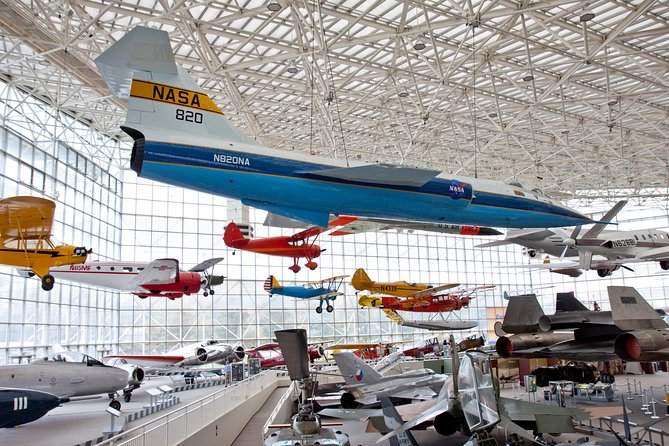
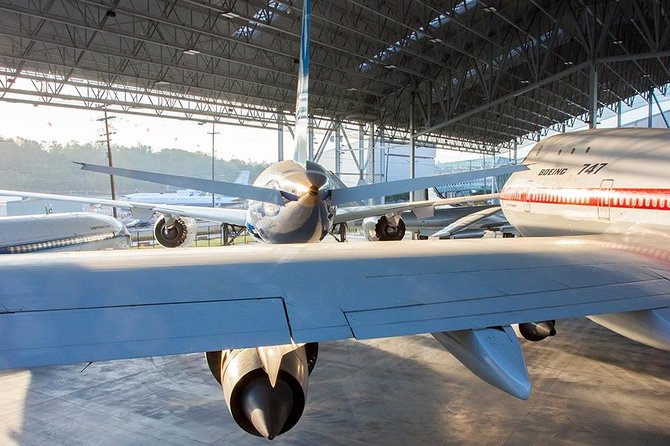
The Museum of Flight puts some of aviation’s most famous machines within arm’s reach, from early aircraft to a Boeing 747 and a full-size Space Shuttle training mockup. I like the contrast between the six-story Great Gallery and the smaller displays that show how flight changed from one generation to the next.
I also like that you can make the visit hands-on, with interactive exhibits and aircraft you can board. The main consideration is time: two to three hours is a sensible start, but the campus is large and many people spend four hours or more. Check whether the Shuttle trainer interior is open before making it the centerpiece of your visit.
- Look up in the Great Gallery: A six-story glass hall holds 43 aircraft, including a rare M-21 Blackbird.
- Visit the Boeing Red Barn: The original Boeing factory offers a close look at the company’s early years.
- Plan for more than one building: The 23-acre campus has six buildings and more than 160 aircraft and spacecraft.
- Budget extra for add-ons: Flight simulators and the 3D movie are not included in the $29 admission.
- Save time for the bridge: On clear days, the T. Evans Wyckoff Memorial Bridge offers views toward Mount Rainier and Seattle-Tacoma International Airport.
Why this museum deserves more than a quick stop
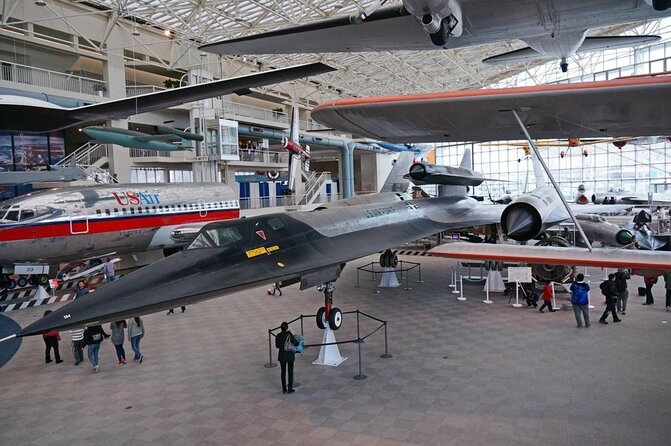
The Museum of Flight is not a small collection tucked into one hall. It spreads across a 23-acre campus at Seattle’s oldest airport, with six buildings that trace the story of flight from early airplanes to space exploration. That scale is exciting, but it also means you should arrive with a rough plan rather than expect to see every display in a short visit.
The museum describes itself as the world’s largest independent air and space museum. Its collection includes more than 160 airplanes and spacecraft, with exhibits ranging from a sailplane and a human-powered MacCready Gossamer Albatross II to military jets and commercial airliners.
I find the variety especially useful if your group has mixed interests. An aviation enthusiast can linger over aircraft design and history, while a child can move between interactive displays and large machines that are hard to appreciate in a book. Even if you are not a plane buff, the museum makes clear how flight reshaped travel, warfare, engineering, and exploration.
Admission is self-paced, so you can decide where to spend your attention. Staff and docents are often available to answer questions, and guided tours may add context if you want more than the exhibit labels. Ask at the museum about what is running that day.
Start beneath the aircraft in the Great Gallery
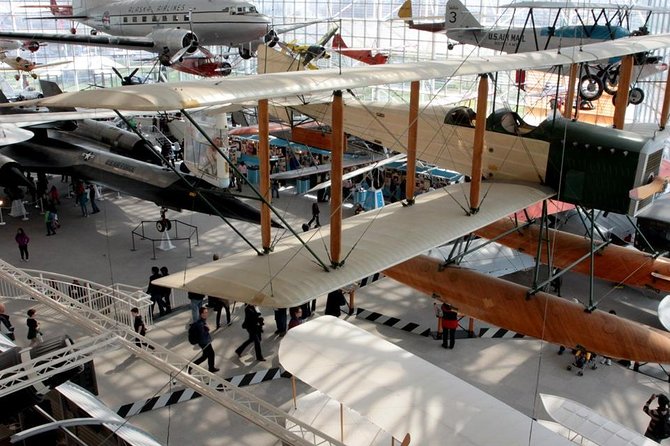
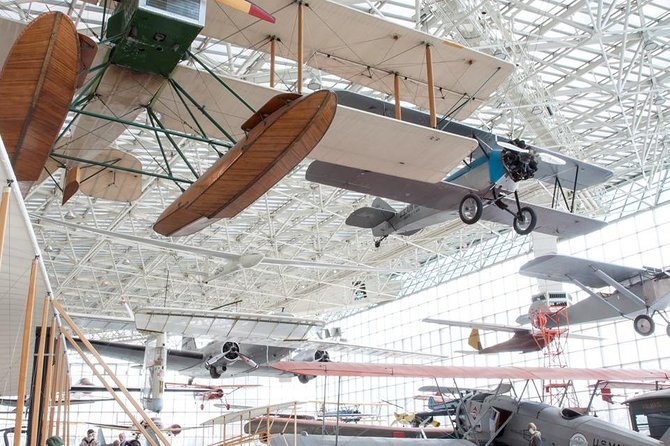
The Great Gallery is the museum’s signature space: a six-story glass building with 43 aircraft spanning the 1920s to the present. Its height gives you a sense of the scale of the collection before you have read a single label. Look up, then walk the floor to study the planes from close range.
Among the aircraft here is a rare M-21 Blackbird spy plane, alongside jet fighters from the Korean and Vietnam wars. These displays are worth more than a passing glance. The contrast between aircraft from different decades shows how quickly speed, shape, and technology changed as aviation developed.
The gallery can be a good first stop because it gives you a broad overview before you move into more focused exhibits. But do not assume it is the whole museum. The campus has several other buildings, and the Great Gallery alone can absorb a fair share of your time if you like reading the signs or studying the aircraft details.
More museum and attraction visits in Seattle:
- Seattle: Seattle Art Museum Admission Ticket
★ 4.8 · 67 reviews - Seattle: The Museum of Flight Entry Ticket
★ 4.6 · 24 reviews - Museum of Illusions Seattle Admission Ticket
★ 4.0 · 9 reviews
Find Boeing’s beginnings in the Red Barn
The original Boeing Aircraft factory, known as the Red Barn, gives the museum a strong connection to Seattle’s industrial past. The displays explain the company’s early development and the growth of commercial aviation. I would make time for this building even if your main interest is military aircraft or space.
The contrast between the Red Barn and the later aircraft is part of the visit’s appeal. You can move from the beginnings of Boeing to the company’s major role in shaping passenger flight, then see aircraft that show how far that work went. The first flight-worthy Boeing 747 is one of the collection’s major draws.
You can also see a Boeing 747 cockpit and the cockpit of a 787 Dreamliner. Access inside aircraft can vary, so do not build your entire visit around boarding one particular plane. When access is available, stepping into a cockpit helps turn a familiar aircraft into a machine full of controls, instruments, and practical design choices.
Other aircraft broaden the story beyond Boeing. Look for a faithful replica of the plane Amelia Earhart disappeared in, a sailplane, an Aerocar, and the human-powered Gossamer Albatross II. They show that flight history is not only a story of bigger engines and faster jets. It is also a history of experimentation, ambition, and sometimes very unusual engineering.
Make room for warplanes, Air Force One, and Concorde
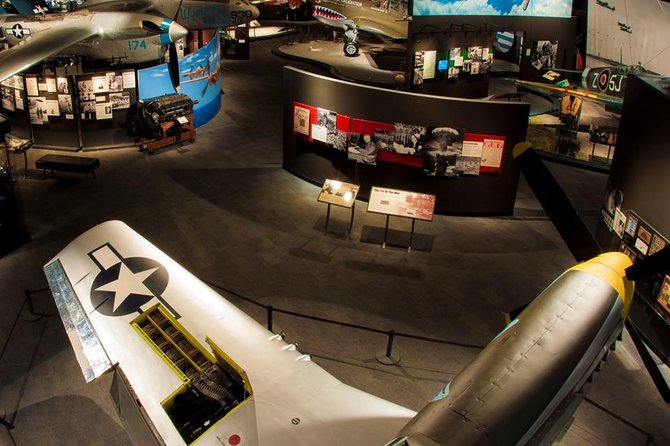
The military displays cover aircraft from the First and Second World Wars as well as later conflicts. You can see how planes changed from relatively early designs to the jet fighters associated with the Korean and Vietnam wars. One striking exhibit includes a B-52 bomber used in Vietnam, with a display naming those who died in the conflict.
The museum also presents aircraft from both US and adversary perspectives, a useful reminder that aviation history is not just a parade of technical achievements. The machines are impressive, but their context matters. Give yourself time to read the displays rather than moving from one aircraft photo opportunity to the next.
Air Force One and Concorde are particular highlights for many visitors. If you are interested in the history of presidential travel or supersonic passenger flight, make these a priority and check whether tours or walk-through access are available during your visit. The chance to see how these aircraft were designed for very different purposes adds depth to the larger story.
You will be doing a lot of walking between buildings and exhibits, so pace yourself. There are restrooms around the museum, but the scale can still make a long visit tiring, especially for children. A short pause between galleries is a better plan than trying to race through the collection.
Space exhibits, simulators, and the Shuttle trainer
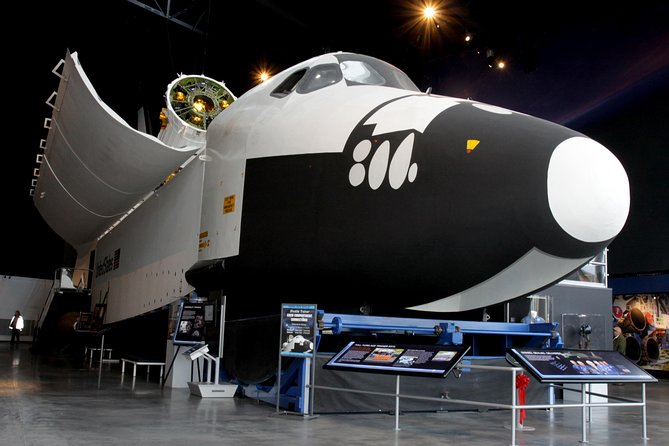
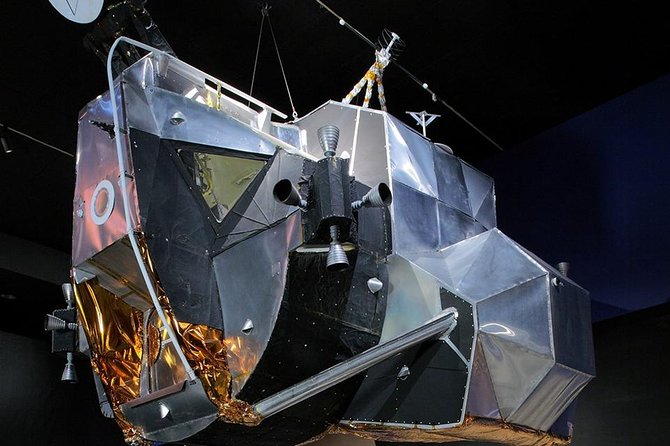
The museum connects aviation with space through displays about exploration, spacecraft, and the technology behind flight beyond Earth. The full-scale Space Shuttle Orbiter mockup is described as the kind used to train astronauts before missions. Seeing a training vehicle at full size helps you grasp the physical scale of the work involved in preparing for spaceflight.
There is an important caveat: access to the trainer’s interior is not guaranteed. The trainer deck has been reported closed for an extended period since the pandemic, so check its current status before you plan your day around going inside. You can still enjoy the broader space exhibits, but treat interior access as a possible bonus rather than a sure thing.
For a more active visit, the museum has flight simulators and hands-on exhibits. Simulator tickets are sold separately at the museum, and the 3D flight movie also costs extra. These add-ons may be worthwhile if you are visiting with children or want a more physical experience, but the entrance ticket does not cover them.
The exhibits change over time, so the exact mix of displays can shift. That is one reason to check what is open on the day, particularly if a specific aircraft or interactive feature is a must-see. The core appeal remains the chance to move between aircraft history, space exploration, and practical demonstrations of how flight works.
More tickets and entry passes in Seattle:
- Seattle: Space Needle & Chihuly Garden and Glass Ticket
★ 4.7 · 1,890 reviews - Space Needle and Chihuly Garden and Glass Combination Ticket
★ 4.5 · 1,551 reviews - Seattle: Chihuly Garden and Glass Entry Ticket
★ 4.8 · 374 reviews - Sky View Observatory at the Columbia Center Admission Tickets
★ 3.0 · 189 reviews
Allow two hours, then be glad if you have more
The stated visit time is about two to three hours, but that is a brisk visit for anyone who likes to read exhibits or board aircraft. Many people spend three to five hours here, and aviation enthusiasts could easily use most of the day. If you only have two hours, choose a few priorities rather than trying to cover all six buildings.
A workable plan is to begin in the Great Gallery, then visit the Red Barn and the aircraft or space exhibits that matter most to you. Leave time for the bridge if the weather is clear. It provides views of Seattle-Tacoma International Airport and Mount Rainier, a welcome change of pace after hours indoors.
The museum has a restaurant, and its gift shop carries a broad range of items. For a long family visit, bring water and snacks or plan a meal break rather than assuming everyone will keep going without a pause. The campus includes outdoor sections, so weather can affect how comfortable it feels to move between buildings.
The museum is open daily from 10 a.m. to 5 p.m. in 2026. A ticket costs $29 per person, and the experience is often booked about 17 days in advance. Booking ahead is a practical way to secure your preferred visit, especially if your Seattle schedule is fixed.
Is the $29 ticket good value?
For a museum with this many aircraft, spacecraft, buildings, and interactive exhibits, $29 is fair value if you can give the visit several hours. The strongest case is the range: you are not paying to see one headline aircraft and leave. You can move from early flight and Boeing history to military aviation, passenger jets, and space exploration.
The ticket also gives you flexibility. You can set your own pace, skip displays that do not interest you, and spend extra time where the collection catches your attention. That is better value for a curious visitor than a fixed, short tour that rushes from object to object.
The price is less complete than it may first appear if you want every activity. Simulators and the 3D movie cost extra, and particular aircraft interiors or exhibits may not be open. Keep a little room in your budget for optional activities, but do not feel you need to buy them to have a full visit.
Who should book this visit?
I would recommend the Museum of Flight to anyone with a real interest in aircraft, space, engineering, or Seattle’s Boeing connection. It is also a strong family outing: the collection is visual, the scale of the aircraft holds attention, and interactive exhibits give children more to do than simply read labels.
You do not need to be an aviation expert to enjoy it. The museum works well for curious visitors who like seeing how technology changes over time, though a person who prefers small, quickly viewed museums may find the campus overwhelming. If you are short on time, pick a few highlights and accept that you will leave some halls for another visit.
Book the ticket if you can spare at least three hours and want a substantial indoor attraction with both history and hands-on options. If you are mainly going for the Space Shuttle trainer’s interior, confirm access first. The collection itself is the stronger reason to go.
FAQ
How long should I plan to spend at the Museum of Flight?
The visit is estimated at two to three hours, but the campus is large. Allow at least three hours if you want a fuller visit, and more if you plan to read displays or try extra activities.
What does the $29 ticket include?
The ticket includes museum entrance. Simulator tickets and the 3D movie are not included and may be purchased separately.
Can I go inside the Space Shuttle trainer?
The museum has a full-size Space Shuttle Orbiter training mockup, but access to its interior may not be available. Check its current status before visiting if this is a priority.
What are the museum’s opening hours?
For 2026, the museum is open Monday through Sunday from 10 a.m. to 5 p.m.
Can I cancel my ticket for a refund?
You can cancel for a full refund if you cancel at least 24 hours before the experience start time. Cancellations made less than 24 hours ahead are not refundable.
Is the museum suitable for children?
Yes. The museum has interactive exhibits and family activities, and most visitors can participate. Service animals are allowed.
Just added in Seattle
- Seattle Roundtrip Chauffeur Driven Airport Transfer★ 5.0 · 4 reviews
- All Day VIP Pass to Original Selfie Museum Seattle★ 4.5 · 6 reviews
- Alki Lighthouse Sea Kayak Tour★ 5.0 · 3 reviews
- The Bloedel Reserve & Sightseeing★ 5.0 · 9 reviews
- Private Vacation Photography Session with Photographer in Seattle★ 5.0 · 3 reviews
- 7-Day Small Group Tour: Canadian Rockies and National Parks★ 5.0 · 8 reviews
- 5-hour Seattle and Suburbs Attractions Tour★ 4.0 · 7 reviews
- 3 Days in Olympic National Park from Seattle: Silent Forest – Hoh Rainforest★ 5.0 · 6 reviews
Seattle Museum Tours, compared.



Browse the lists this tour appears in