
Reviewed · SEATTLE MUSEUM TOURS
Seattle: The Museum of Flight Entry Ticket
The Museum of Flight puts its biggest surprise right in front of you: a full-sized Space Shuttle Trainer used to prepare astronauts for spaceflight. Around it, more than 150 aircraft trace the journey from early flight to jet fighters and space exploration, spread across a large, two-sided campus.
I like two things especially: the chance to get close to major aircraft, including a Boeing 747 cockpit, and the range of stories told through the Personal Courage Wing, where pilots, nurses, photographers and support crews bring wartime aviation into human focus. The main consideration is scale. You need at least three hours to see most of the museum, and flight simulators and the 3D film cost extra.
What to know before you go
- The Space Shuttle Trainer is a full-sized training vehicle: It gives you a close look at the hardware astronauts used to prepare for spaceflight.
- The collection spans more than 150 aircraft: See landmark commercial planes, military jets, a human-powered aircraft and a rare M-21 Blackbird.
- The campus has five galleries on two sides: Plan your route and leave time to walk between exhibits rather than treating this as a quick stop.
- A Boeing 747 cockpit offers a hands-on moment: It is a welcome change from viewing aircraft only from behind a barrier.
- The audio guide is included in seven languages: Choose from English, German, Chinese, Russian, Japanese, French or Spanish.
- Extras add to the bill: Simulators and the optional flight-themed 3D movie are not covered by the $29 entry ticket.
Start with the scale of the collection
At $29 per person for one day, this is a substantial museum visit, not a quick look at a few aircraft. The collection includes more than 150 planes and space-related exhibits, with galleries that range from early flight and commercial aviation to military history and the Space Age.
The size is both the museum’s main strength and its practical challenge. Five separate galleries occupy a two-sided campus, so you will need to keep an eye on your time and energy. The museum advises allowing at least three hours to see most of the exhibits. If you want to read interpretive displays, listen to the audio guide, or try extra activities, a longer visit makes more sense.
You can make the visit feel more manageable by choosing a few priorities before you arrive. The Space Gallery, the Great Gallery, the Personal Courage Wing and the Aviation Pavilion each offer a different angle on flight. Trying to inspect every aircraft equally closely could turn an enjoyable day into a checklist.
The displays are carefully restored, a practical point worth noting if you care about the machines themselves. Their condition helps you see design details, from the shape of a plane’s wings to the way technology changed as aircraft grew faster and more specialized.
More museum and attraction visits in Seattle:
- The Museum of Flight Entrance Ticket
★ 5.0 · 477 reviews - Seattle: Seattle Art Museum Admission Ticket
★ 4.8 · 67 reviews - Museum of Illusions Seattle Admission Ticket
★ 4.0 · 9 reviews
The Aviation Pavilion: big planes, close views
The Aviation Pavilion is a good place to grasp the sheer size of commercial aircraft. It includes the first flight-worthy Boeing 747, a landmark in the development of passenger aviation. Seeing a full-sized airliner up close gives you a better sense of its scale than any picture can.
You can also sit in a Boeing 747 cockpit. That small opportunity changes the visit from simply looking at a famous plane to getting a feel for the working space where a flight is controlled. If you are visiting with children or anyone who likes hands-on details, this is likely to be one of the more memorable stops.
The pavilion also holds a human-powered MacCready Gossamer Albatross II, a striking contrast to the heavy passenger jet. Its presence helps show how broad the idea of flight can be: not just engines and fuel, but also human power and careful design.
A replica of Amelia Earhart’s ill-fated aircraft adds a personal thread to the display. The replica is not the original plane, but it gives you a way to connect a well-known aviation story with the aircraft itself. If Earhart’s story matters to you, allow a moment to consider the risks and limits of early long-distance flight.
The Great Gallery: aircraft overhead
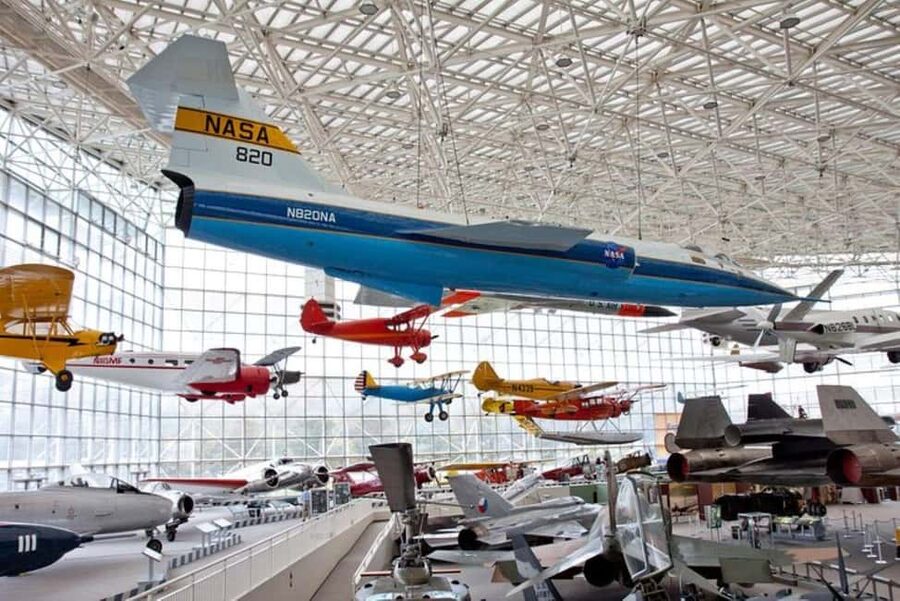
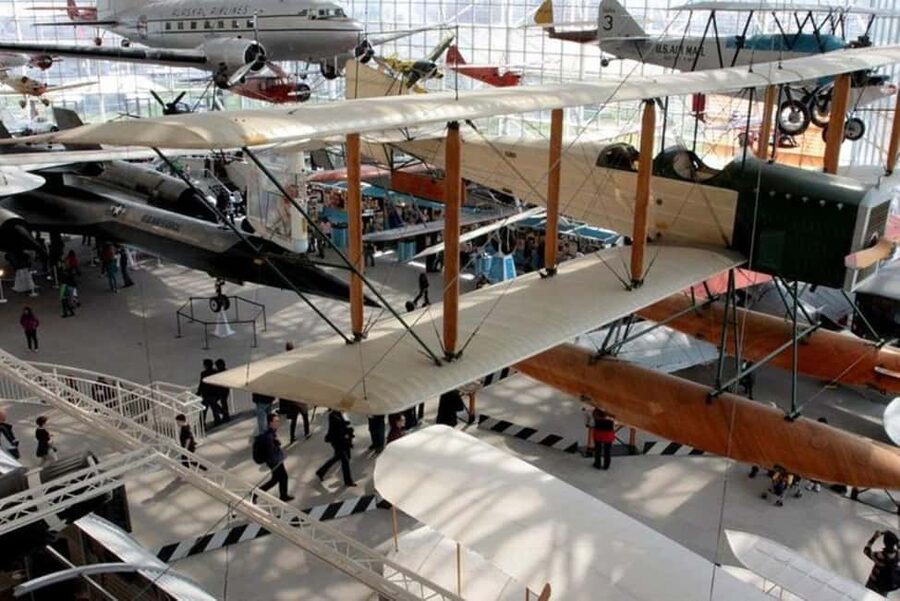
The Great Gallery changes the pace. Planes hang above you, creating the impression of aircraft in flight rather than parked in a row. The height and open space make this one of the best places to take in the collection as a whole.
It is also a useful spot to pause after moving between more focused exhibits. Look up and compare aircraft shapes and sizes, then take time to read the information that interests you. The room’s scale makes it easy to miss details if you hurry through with your eyes fixed on the floor displays.
Because the galleries cover many periods and types of aircraft, you do not need to be an aviation specialist to get something from the visit. You can follow the broad story of how aircraft design changed, or concentrate on the machines that catch your eye. The audio guide can help add context without requiring you to read every label.
Space Gallery: a full-sized Shuttle Trainer
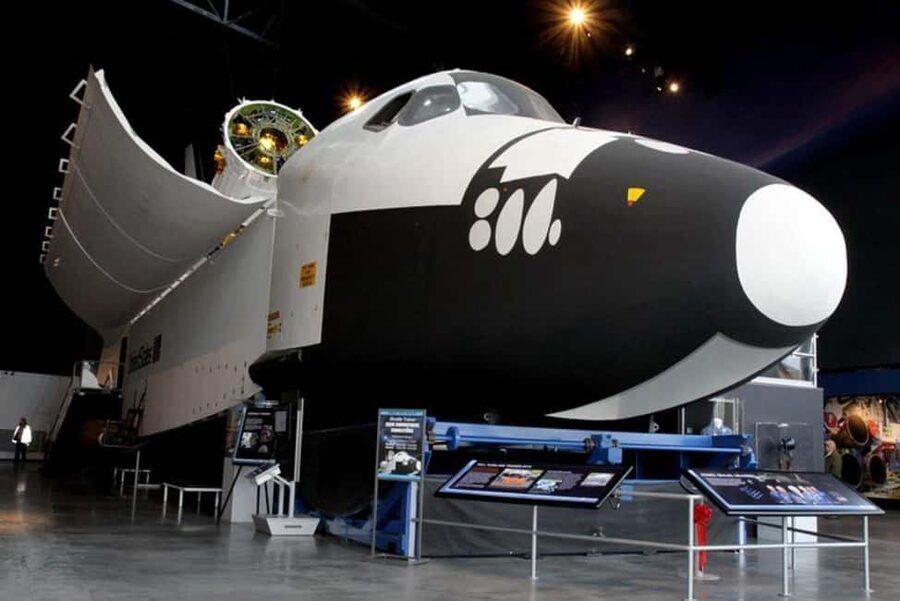
The Space Gallery is a natural priority, especially if you are curious about human spaceflight. Its central draw is a full-sized Space Shuttle Orbiter mockup used for astronaut training. This is a trainer, not a spacecraft that flew in orbit, but its full scale gives you a close look at the vehicle astronauts prepared to work inside.
That distinction is useful: the exhibit is about training and the physical realities of spaceflight, not simply a display of a flown shuttle. The scale helps you appreciate how much equipment and planning went into preparing crews for a mission.
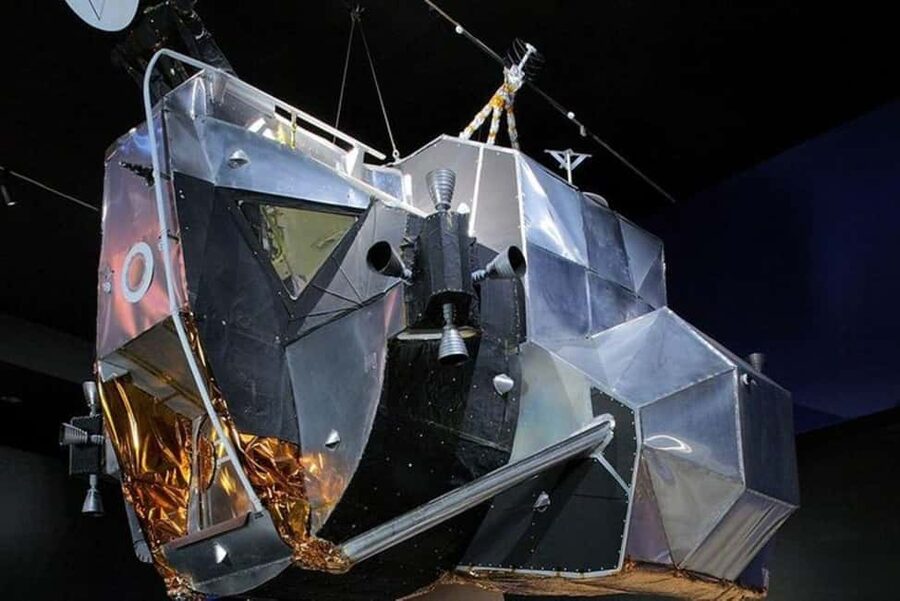
The gallery is described as multi-sensory, so expect more than a line of objects behind glass. It makes a good contrast with the aircraft halls, shifting the story from atmospheric flight to travel beyond Earth. If space exploration is your main interest, give this area generous time rather than squeezing it in at the end.
More tickets and entry passes in Seattle:
- Seattle: Space Needle & Chihuly Garden and Glass Ticket
★ 4.7 · 1,890 reviews - Space Needle and Chihuly Garden and Glass Combination Ticket
★ 4.5 · 1,551 reviews - Seattle: Chihuly Garden and Glass Entry Ticket
★ 4.8 · 374 reviews - Sky View Observatory at the Columbia Center Admission Tickets
★ 3.0 · 189 reviews
Personal Courage Wing: the people behind wartime flight
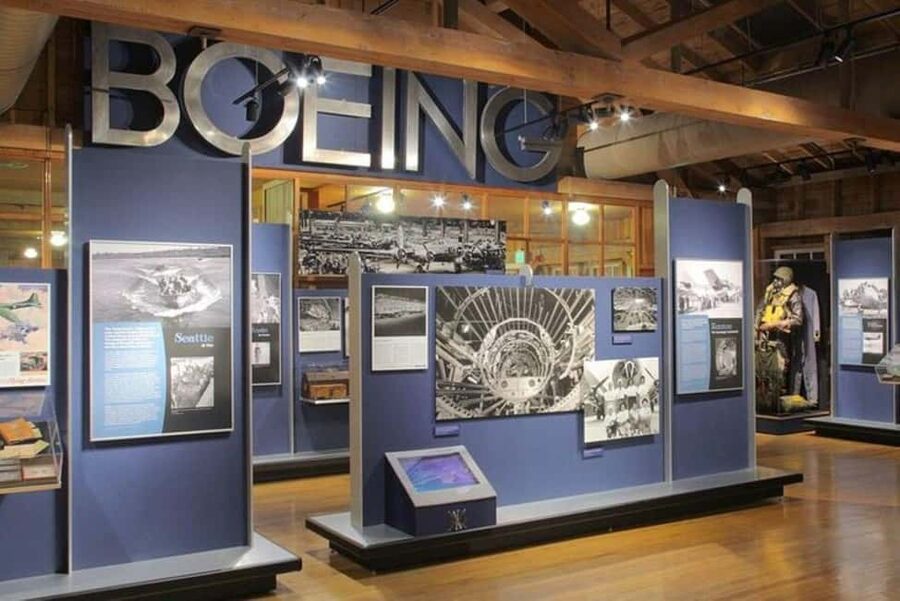
The Personal Courage Wing tells the stories of the First and Second World Wars through the people who lived and worked around aircraft. Pilots are part of that account, but so are nurses, photographers and support crews. That broader focus helps keep the history from becoming only a parade of machines.
The displays can make this wing especially meaningful for visitors who want to understand the human cost and effort behind military aviation. Aircraft are powerful objects, but the accounts of the people around them explain what they were used for and how war shaped their lives.
The museum also has jet fighters from the Korean and Vietnam Wars. These aircraft show a later chapter in military flight, with technology and design moving beyond the propeller-driven planes associated with earlier conflicts. If you are visiting with a particular interest in military history, this wing deserves more than a quick pass.
Rare aircraft and flight simulators
The rare M-21 Blackbird is one of the collection’s most compelling aircraft for anyone interested in reconnaissance and high-speed flight. Its presence gives the museum a chance to show a less familiar part of aviation history alongside the better-known commercial planes and wartime fighters.
Flight simulators are available, but they are not included in the entry ticket. That matters when you are budgeting: the $29 price gets you into the museum, while simulator time adds a separate expense. If a simulator is a must for your group, check its cost and availability before building the rest of your visit around it.
A flight-themed 3D movie is another optional extra. It can provide a lively start to the day, but it is not essential to see the museum’s main exhibits. If you would rather spend your time among the aircraft and galleries, you can skip the movie and still have plenty to explore.
Views from the bridge
On a clear day, head to the T. Evans Wyckoff Memorial Bridge for views toward Seattle-Tacoma International Airport and Mount Rainier. The weather matters here, so treat this as a bonus rather than a reason to rearrange your whole visit.
The bridge offers a change of perspective after looking at historic aircraft indoors. You can connect the museum’s story with aviation in the present, as planes move through the region’s working airspace. If clouds obscure Mount Rainier, the walk may still be worthwhile, but the mountain view is not guaranteed.
Getting good value from a $29 ticket
The ticket is best value if you plan to spend several hours and take in more than one gallery. With a full day of validity, you are not limited to a short timed visit, and the included audio guide can add useful context in seven languages. The price is less compelling if you have only an hour or two, since the campus is large and the main galleries are spread out.
Remember that the entry ticket does not cover the 3D movie or flight simulators. Those extras can make the outing more engaging for children or aviation fans, but they are optional, not required for a rewarding visit. You can control your spending by choosing one paid add-on, or none.
The museum is wheelchair accessible. Weapons and sharp objects are not allowed. Last admission is at 4:00 PM, one hour before the museum closes at 5:00 PM, so do not plan to arrive late and see the full collection.
Advance ticket purchase lets you skip the line, and you can cancel up to 24 hours ahead for a full refund. A reserve-now, pay-later option is also available, which can help if your plans are not settled. These flexible terms are useful, but the more important planning detail is giving yourself enough time once you are there.
Who should make time for it?
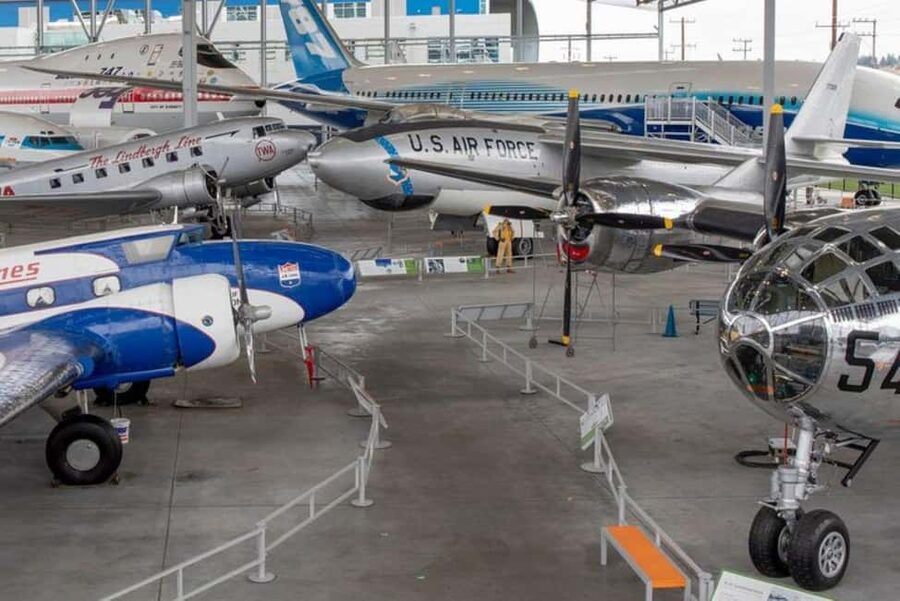
Aviation enthusiasts can easily spend a half-day or more among the aircraft, from the rare Blackbird and historic 747 to the military jets and human-powered plane. Families have the cockpit, hands-on exhibits and optional simulators to keep the visit active, though simulator costs are separate.
You do not need to know aircraft models to enjoy the museum. The galleries offer several entry points, including space exploration, wartime stories and the evolution of passenger flight. The audio guide is useful if you want more background, and its range of languages makes the visit accessible to many international visitors.
The museum may be less satisfying if you want a compact attraction or have very limited time in Seattle. Its size is part of its appeal, but it demands a real block of your day. I would choose it when you can give the exhibits room to breathe, not as a rushed stop between other plans.
Should you book?
Book the Museum of Flight if aircraft, space exploration or the human stories behind aviation interest you, and you can spare at least three hours. The full-sized Shuttle Trainer, 747 cockpit, well-restored aircraft and Personal Courage Wing make the $29 ticket worthwhile for a focused visit.
Think twice if you have only a brief window or expect every activity to be included in the ticket price. The museum is large, and simulators and the 3D movie cost extra. Plan your priorities, arrive well before last admission, and you will get more from the day.
FAQ
How much does entry cost?
The entry ticket costs $29 per person.
How long should I plan to spend at the museum?
Allow at least three hours to see the majority of the exhibits. The ticket is valid for one day.
What does the entry ticket include?
It includes admission to the Museum of Flight. A multilingual audio guide is also included.
Do I need to pay extra for the flight simulators?
Yes. Simulator tickets are not included in the entry ticket.
Is the 3D movie included?
No. The flight-themed 3D movie is optional and costs extra.
What time is the last admission?
Last admission is at 4:00 PM. The museum closes at 5:00 PM.
Is the museum wheelchair accessible?
Yes, the museum is wheelchair accessible.
Which languages are available for the audio guide?
The audio guide is available in English, German, Chinese, Russian, Japanese, French and Spanish.
Just added in Seattle
- Seattle Roundtrip Chauffeur Driven Airport Transfer★ 5.0 · 4 reviews
- All Day VIP Pass to Original Selfie Museum Seattle★ 4.5 · 6 reviews
- Alki Lighthouse Sea Kayak Tour★ 5.0 · 3 reviews
- The Bloedel Reserve & Sightseeing★ 5.0 · 9 reviews
- Private Vacation Photography Session with Photographer in Seattle★ 5.0 · 3 reviews
- 7-Day Small Group Tour: Canadian Rockies and National Parks★ 5.0 · 8 reviews
- 5-hour Seattle and Suburbs Attractions Tour★ 4.0 · 7 reviews
- 3 Days in Olympic National Park from Seattle: Silent Forest – Hoh Rainforest★ 5.0 · 6 reviews
Seattle Museum Tours, compared.

Browse the lists this tour appears in