
Reviewed · SEATTLE TOURS
From Seattle: Mt Saint Helen Tour
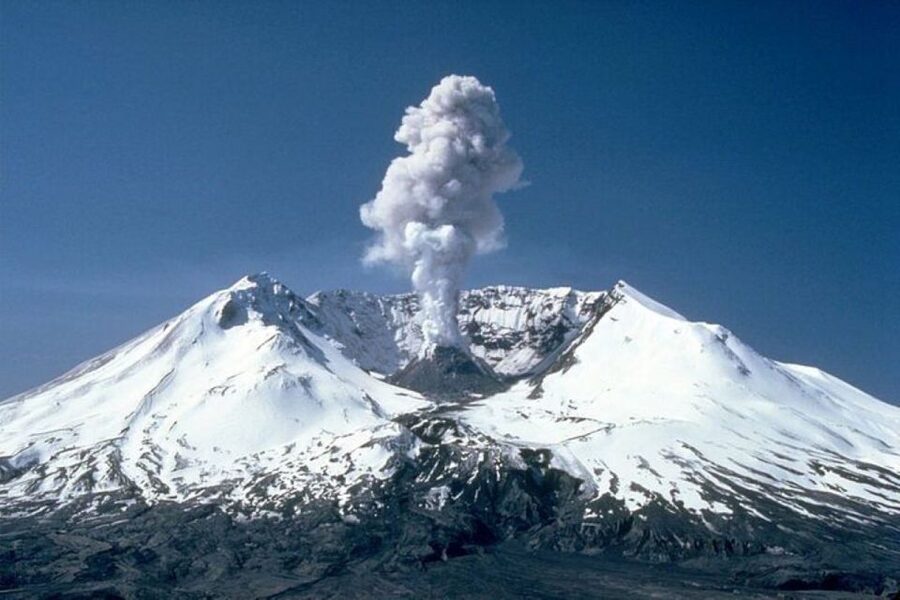
Mount St. Helens is more than a mountain with a dramatic profile. The 1980 eruption changed its summit and surrounding terrain in an instant, and a visit to the blast zone puts that scale of change right in front of you. This nine-hour tour from Seattle takes you to key viewpoints and visitor stops, including Johnston Ridge when it is open.
I like two things in particular: the chance to see the volcano and its recovery up close, and the small group size, capped at 14. The guides can also make a real difference. Bob and Chad have been praised for being patient and flexible, especially when guests wanted time to read signs or ask questions.
One point to check before booking is the schedule. The listed stop times add up to 10 hours, although the tour is described as nine hours, and Johnston Ridge Observatory is seasonal. Confirm the current route and timing before you set your day around it.
Key points before you go
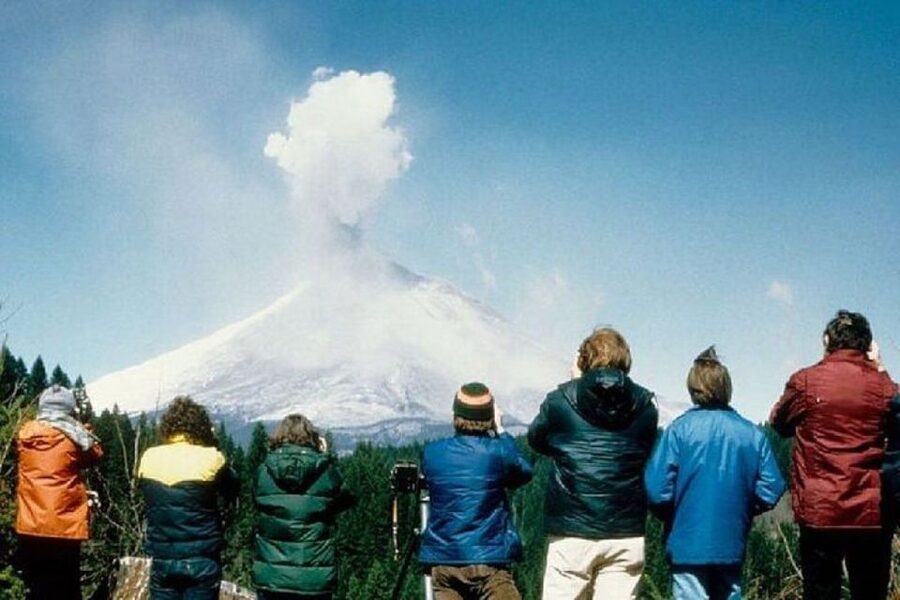
- Johnston Ridge puts you near the blast zone: The observatory sits about five miles north of the summit, with the 1980 eruption central to the visit.
- The route includes several different perspectives: Mount St. Helens, Coldwater Ridge, Johnston Ridge, and Coldwater Lake each offer a distinct stop.
- The group is limited to 14: That is small enough for a more conversational guided outing than a large coach tour.
- Guide flexibility is a plus: Bob and Chad have been singled out for patience, accommodating plans, and offering options at stops.
- Meals are not included: Pack or buy breakfast and lunch separately, and remember that bottled water is provided.
- Check seasonal access and total timing: Johnston Ridge is open seasonally, and the posted stop durations do not neatly match the stated nine-hour tour.
Why the volcano is worth the long day
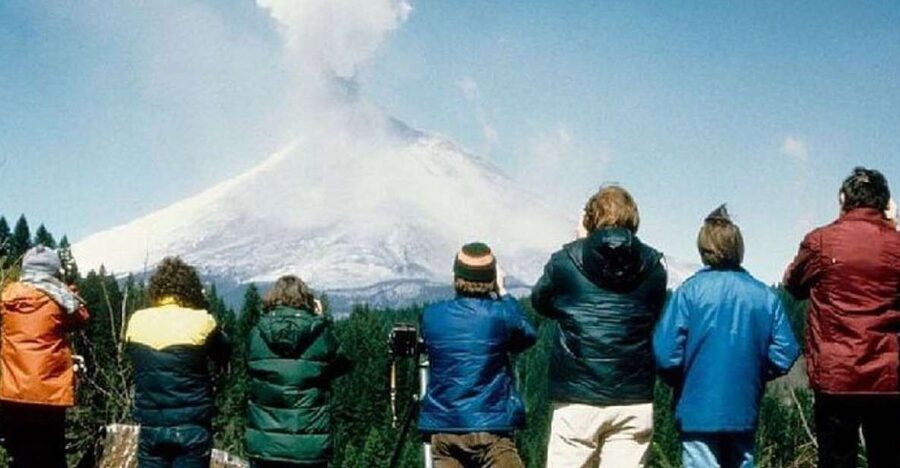
The 1980 eruption remains the defining event in Mount St. Helens’ modern story. The summit was permanently altered, and the blast reshaped the land around it. Seeing the volcano from the area affected by that event helps make the scale more tangible than a quick stop at a roadside viewpoint.
The visit also gives you a chance to consider what has happened since. The area’s flora and wildlife are part of a remarkable reforestation effort, so the experience is not only about destruction. You can look at a place shaped by a sudden disaster and see how its ecology is changing over time.
A guide matters here. The tour promises local and natural history, alongside geological sightseeing, rather than simply dropping you at a view and leaving you to work it out. That can be especially helpful if you have questions about the 1980 eruption, the blast zone, or the recovery. The exact explanations and route can vary by guide and conditions, so think of the guided format as a chance to learn and ask, not as a set script.
More tours in Seattle:
- Beneath The Streets Underground History Tour
★ 4.5 · 8,006 reviews - Chef Guided Food Tour of Pike Place Market
★ 5.0 · 3,733 reviews - Mt. Rainier National Park Highlights Tour
★ 5.0 · 3,156 reviews
Leaving Seattle for Mount St. Helens
The tour starts with pickup in Seattle and returns there at the end of the day. That removes the need to plan your own drive to the mountain and coordinate several stops, which is a meaningful part of the value for anyone who would rather leave the road and route planning to someone else.
The overall duration is listed as nine hours. The itinerary gives four hours for the Mount St. Helens visit, one hour at Coldwater Ridge, four hours at Johnston Ridge Observatory, and one hour at Coldwater Lake. Those blocks total 10 hours, so do not assume the exact schedule is settled by the summary alone. Ask the operator to confirm the expected start, return, and stop durations before booking.
The small-group limit of 14 can make a long day feel more personal. You are not joining a full-size bus party, and a guide may have more room to respond to questions or adjust how you use a stop. A guest who toured with Chad described him as on time, patient, accommodating, and flexible, and noted that he offered choices at stops. Caitlin also praised Bob after a private tour. Those accounts point to a useful quality for this kind of outing: a guide who can balance the day’s plan with the interests of the people in the vehicle.
Mount St. Helens and the views along the way
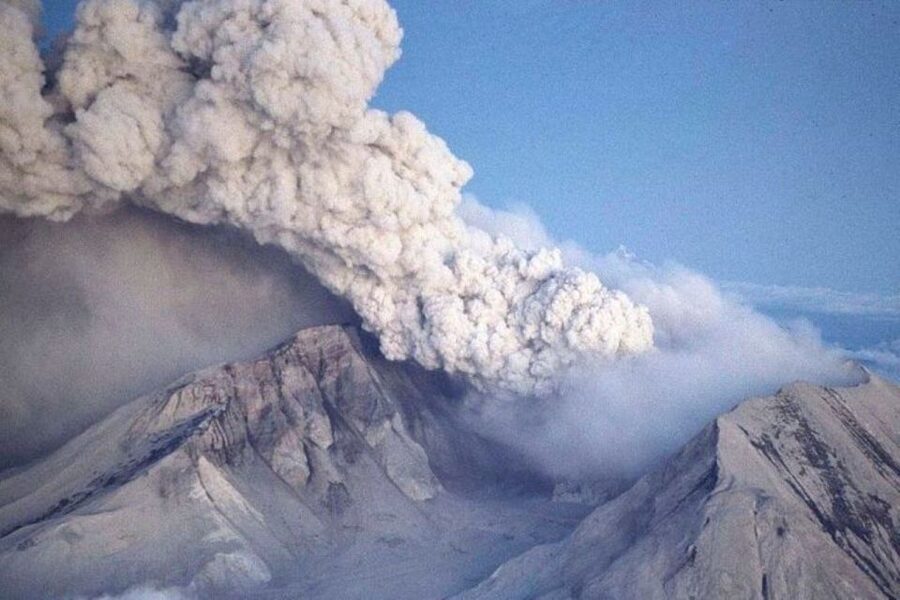
The first major stop is Mount St. Helens, with four hours allocated to the visit and scenic views on the way. This is the core of the tour, and the time gives the volcano more than a passing glance. The mountain’s changed summit and surrounding terrain are the reason to make the journey, while the drive and viewing points help you see the area as a whole.
A guided visit is particularly worthwhile if you want context alongside scenery. The central event is well known, but the ground itself tells a more immediate story: the eruption altered the mountain and its surroundings, and the area’s reforestation and wildlife add another layer to what you see. The tour description does not specify a particular viewpoint or exact walking route, so ask what is planned for your date if you have a specific site in mind.
One June 2025 guest described a private tour that included Ape Cave and the south side of the volcano. Treat that as an example of a private outing, not a promise that this standard tour includes those stops. The advertised route focuses on Mount St. Helens, Coldwater Ridge, Johnston Ridge Observatory, and Coldwater Lake. If Ape Cave or the south side is a priority, confirm directly whether it is available and whether it changes the itinerary.
Coldwater Ridge: a stop for orientation
Coldwater Ridge Visitor Center is listed as a one-hour guided sightseeing stop. It provides a change of pace from the broader mountain visit and gives your guide a natural place to connect the scenery with the area’s history and geology.
An hour is enough time for a focused stop, but it is not a long visit. If you like to read every sign and linger over views, use the time thoughtfully and ask your guide what is most worth seeing. Chad’s praised habit of giving options at stops is encouraging, but no guide can stretch the day without affecting the rest of the route.
The visitor center is also a practical pause in a full-day excursion. Rather than treating every stop as another photo opportunity, use it to get your bearings and ask how the different viewpoints relate to the 1980 blast zone.
Or spend the day another way:
- Seattle: Guided Underground Walking Tour
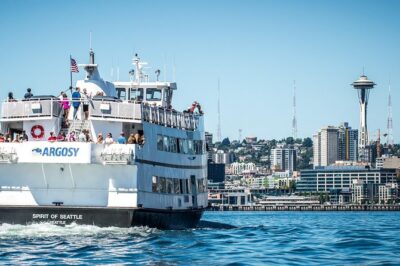
★ 4.6 · 2,144 reviews - Seattle’s Original Guided Harbor Cruise
★ 4.5 · 2,077 reviews - Seattle City Highlights Tour
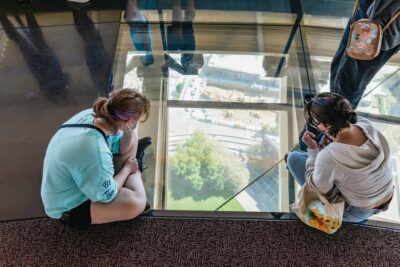
★ 5.0 · 2,000 reviews - Seattle: Space Needle & Chihuly Garden and Glass Ticket
★ 4.7 · 1,890 reviews
Johnston Ridge and the heart of the blast zone
Johnston Ridge Observatory sits on Johnston Ridge, about five miles north of the Mount St. Helens summit and in the center of the 1980 blast zone. The ridge is named for David Johnston, a USGS volcanologist who was working at the Coldwater II observation point during the eruption. He was among the 57 people who died that day.
That history gives the stop a human dimension. The observatory is not just a place to look toward the volcano. It is connected to the people who monitored it and to the work of understanding an active volcanic area. The building houses seismic, deformation, and other monitoring equipment that sends data to the USGS Cascades Volcano Observatory for analysis.
The itinerary allocates four hours here, making it the longest named stop. That suggests this is intended to be a major part of the day, rather than a brief roadside visit. Still, the observatory is open seasonally, so its availability matters. If it is closed during your travel dates, ask how the route changes and what you will see instead. Do not book on the assumption that the building will be open year-round.
A long stop can be a real advantage if you want time to take in the setting, learn about monitoring, and ask questions. It may feel less appealing if your main goal is to race through multiple viewpoints. This tour’s emphasis is on spending time at key locations and learning along the way, not collecting the largest possible number of stops.
Coldwater Lake: a quieter final stop
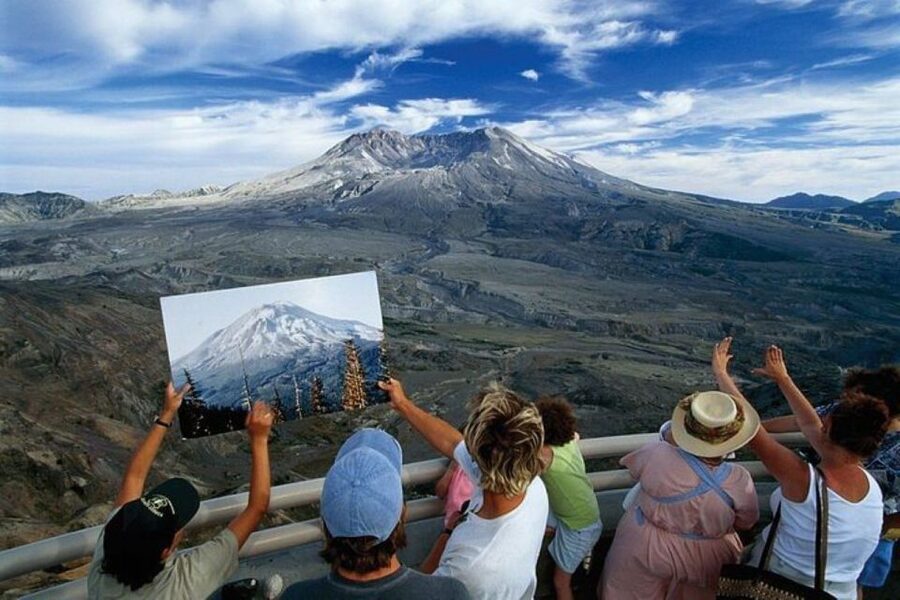
Coldwater Lake is listed as a one-hour guided visit near the end of the route. After the focus on the volcano and the blast zone, the lake offers another setting in which to think about the area’s changing natural environment.
The available details do not specify a particular activity at the lake, so plan on a guided visit and sightseeing rather than a guaranteed hike or other specific outing. If you want to know how much time is spent walking, or what the stop involves on your date, ask before you go. That is especially useful if you have mobility concerns or prefer to know how active the day will be.
For many people, this final stop will help round out the day. The volcano’s history is dramatic, but the area is not frozen in 1980. The flora and wildlife involved in reforestation are part of the story too, and a stop away from the observatory can help you notice that broader picture.
Is $285 a fair price?
At $285 per person, this is not a bargain-basement day trip. The value depends on what you would otherwise need to organize: transportation from Seattle, the drive between sites, and a guide to put the area’s history and geology into context. Pickup and drop-off are included, as is bottled water, and the group is limited to 14.
You still need to budget for breakfast and lunch. Neither is included, so bring food or plan to purchase it along the way if that option is available. The tour details do not specify meal stops or food choices, which makes packing a simple way to avoid depending on an unconfirmed plan.
The strongest value is for someone who wants a guided day and does not want to arrange the route independently. If you already have a car and prefer to set your own pace, compare the cost with a self-guided visit and decide how much the guide’s commentary and transportation are worth to you. If you want a small group, a planned route, and a guide who can answer questions, the price is easier to justify.
Who will enjoy this tour most
This outing suits visitors who want a full day focused on Mount St. Helens, including the 1980 eruption, the blast zone, and the area’s ongoing recovery. It is also a good fit if you value a guide and prefer not to manage the drive from Seattle yourself.
The group cap of 14 is a plus for people who enjoy asking questions and hearing a guide’s explanations without the scale of a large coach group. The comments about Chad and Bob suggest that an attentive guide can improve the day, particularly for guests who like to read signs, take their time, and explore options at stops.
It is not suitable for wheelchair users, according to the tour information. The exact walking demands are not specified, so anyone with mobility needs should ask the operator about the route and stop conditions before reserving. Also consider the long day, meal costs, and seasonal access at Johnston Ridge.
Should you book it?
Book this tour if you want a structured, small-group visit to Mount St. Helens from Seattle and value a guide’s context as much as the views. The combination of the blast zone, Johnston Ridge, Coldwater Ridge, and Coldwater Lake gives the day a clear focus, while the reports of patient and flexible guides are a welcome sign.
Before paying, confirm the schedule because the stated nine-hour duration conflicts with stop blocks totaling 10 hours. Also check whether Johnston Ridge Observatory will be open on your date, and ask about any route changes. If those details suit your plans, this is a practical way to spend a day with one of Washington’s most consequential natural landmarks.
FAQ
How long is the tour?
The tour is described as nine hours. The listed stop durations total 10 hours, so confirm the expected schedule with the operator before booking.
Where does the tour start and finish?
Pickup and drop-off are in Seattle.
What places are included in the route?
The listed stops are Mount St. Helens, Coldwater Ridge Visitor Center, Johnston Ridge Observatory, and Coldwater Lake.
Is Johnston Ridge Observatory open all year?
No. It is described as open seasonally. Check whether it will be open on your travel date.
Is food included?
No. Breakfast and lunch are not included.
Is bottled water included?
Yes. Bottled water is included.
What language is the tour in?
The live tour guide speaks English.
How large is the group?
The tour is limited to 14 participants.
Is the tour suitable for wheelchair users?
No. The activity is listed as not suitable for wheelchair users.
Can I cancel for a refund?
Yes. You can cancel up to 24 hours in advance for a full refund.
Just added in Seattle
- Boeing Factory Tour (Private Tour)★ 5.0 · 4 reviews
- Sky bound Adventures Snohomish Sunrise Hot Air Balloon Ride★ 4.5 · 11 reviews
- Bainbridge Island – Troll Treasures & Wine Wonders★ 5.0 · 4 reviews
- Bainbridge Island Discovery and Wine Tour★ 5.0 · 3 reviews
- Seattle Half Day Tour with Space Needle, Boat Ride & Underground★ 3.5 · 9 reviews
- Seattle Full Day W/ All Major Attractions Small Group Tour★ 4.5 · 23 reviews
- Bainbridge Island Discovery Tour★ 5.0 · 12 reviews
- Bainbridge Island Electric Bike Tour★ 5.0 · 4 reviews
Seattle Tours, compared.

Space Needle & Chihuly Garden and Glass Ticket
Read our review →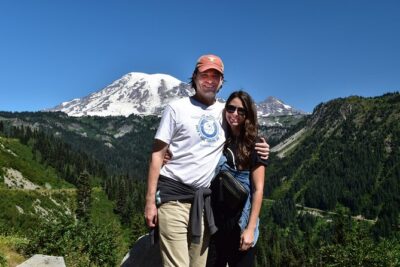
Browse the lists this tour appears in